



The Art and Science of Cashmere
In the realm of luxury knitwear, cashmere reigns supreme, celebrated for its unmatched softness and insulating properties. Yet, true innovation extends beyond the mastery of a single material; it encompasses the art of blending fibers to create textiles that are versatile, durable, and suitable for a variety of climates and occasions. Guest in Residence, the knitwear brand founded by Gigi Hadid, stands at the forefront of this textile revolution, moving beyond the traditional 100% cashmere to develop sophisticated blends that exemplify the future of modern luxury.
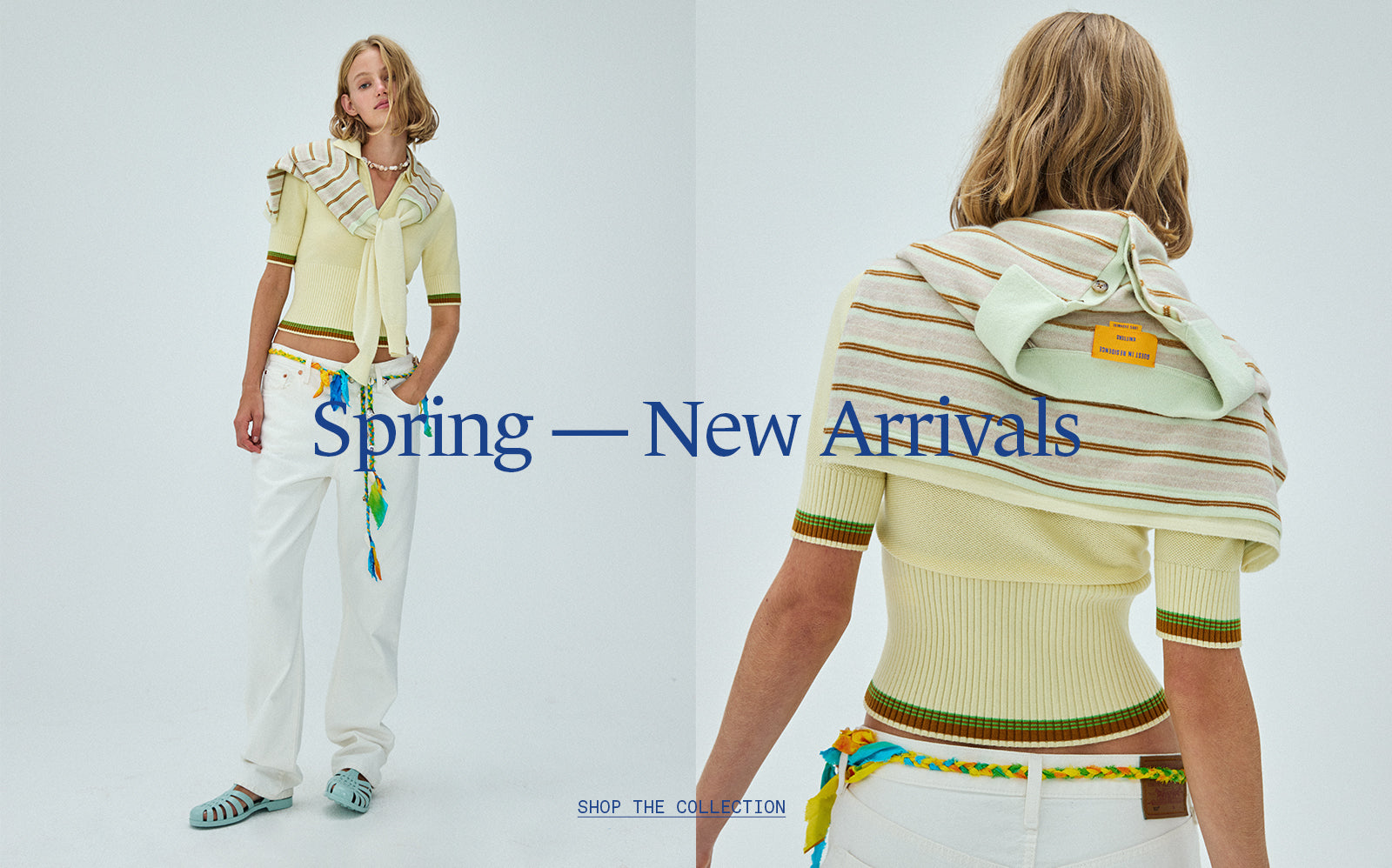
This article provides a comprehensive analysis of the signature fabric compositions offered by Guest in Residence. We will dissect their use of 100% cashmere, cashmere-cotton, and cashmere-linen blends, examining the unique properties each fiber contributes to the final garment and why these thoughtful combinations represent a significant evolution in luxury knitwear.
The Foundation: Understanding 100% Cashmere
Before delving into the blends, it is essential to establish the benchmark: 100% pure cashmere. Sourced from the fine, downy undercoat of cashmere goats, these fibers are incredibly fine, typically ranging from 14 to 19 microns in diameter. This fineness is the source of its legendary softness.
Key Technical Properties of 100% Cashmere:
- Superior Insulation: The natural crimp of cashmere fibers creates tiny air pockets that trap body heat, making it up to eight times more insulating than sheep’s wool despite its light weight.
- Hygroscopic Nature: Cashmere can absorb a significant amount of moisture vapor (up to 33% of its own weight) without feeling damp, effectively wicking moisture away from the skin to keep the wearer comfortable.
- Softness & Drape: The fine diameter and smooth texture of the fibers result in a silky hand-feel and a fluid drape that is difficult to replicate with other materials.
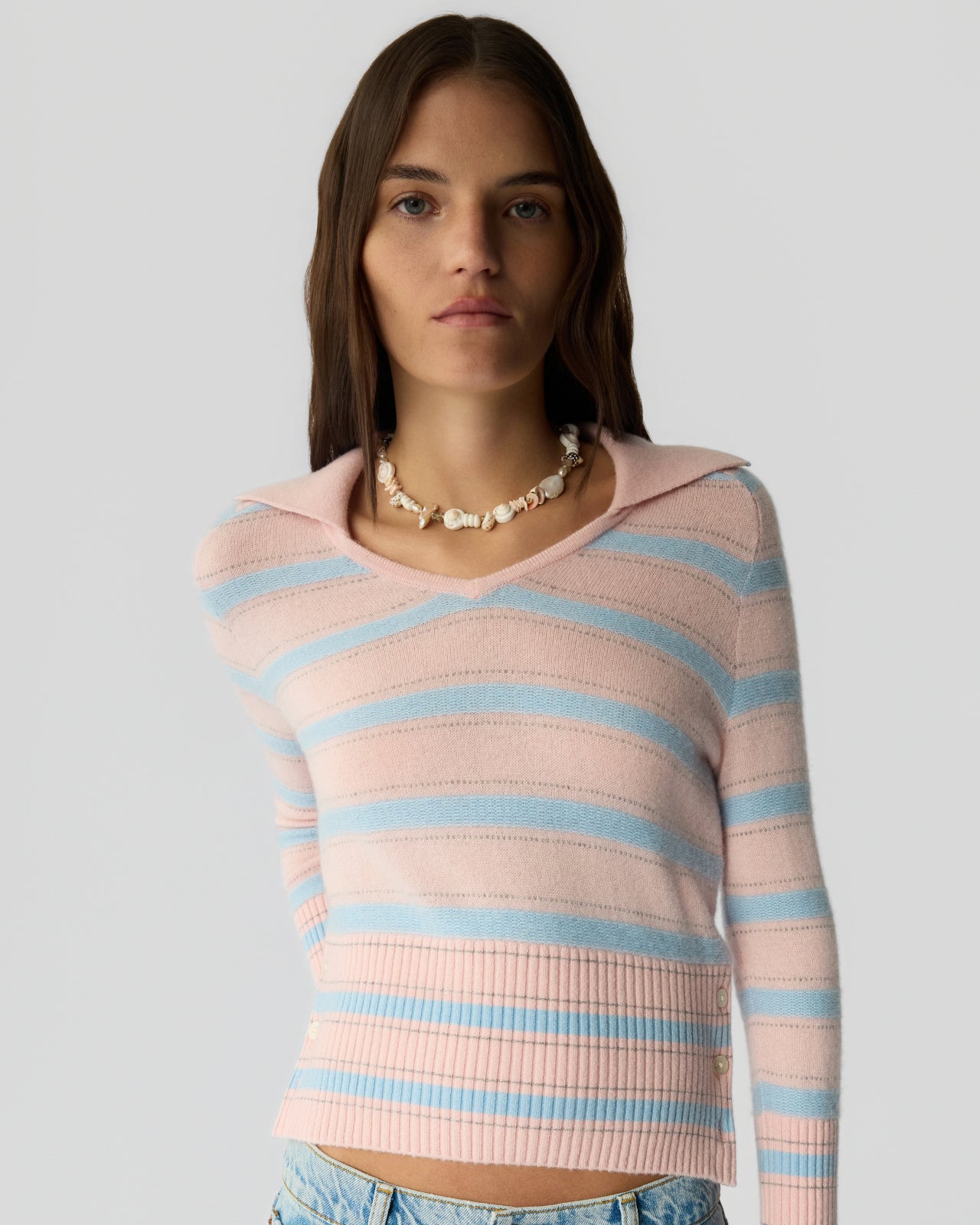
Guest in Residence utilizes 100% cashmere for pieces where these core properties are paramount. A prime example is the Port Polo. This garment is designed to be a luxurious staple, offering maximum warmth and softness against the skin. By using pure cashmere, the brand ensures that the piece delivers the classic, unadulterated experience that connoisseurs of the fiber expect. It’s a statement of quality, prioritizing the raw, natural excellence of the material itself.
The Innovation of Blends: Engineering for Modern Life
While 100% cashmere is the pinnacle of softness, blending it with other natural fibers is a strategic choice that enhances specific performance characteristics, making the resulting fabric better suited for its intended purpose. Guest in Residence demonstrates a deep understanding of this principle with their carefully selected blends.
Deep Dive 1: The Cashmere-Cotton Blend – Structure Meets Softness
One of the brand’s key innovations is its cashmere-cotton blend. This combination marries the luxurious softness of cashmere with the robust, breathable, and structured nature of cotton.
Technical Analysis:
- Cotton Properties: Cotton fibers are stronger and more rigid than cashmere. They provide excellent breathability, absorb moisture well, and give a garment more structure and shape retention.
- The Synergistic Effect: When blended, cotton acts as a “scaffold” for the delicate cashmere fibers. This increases the fabric’s tensile strength and durability, making it more resistant to pilling and stretching from everyday wear. The cotton enhances breathability, preventing the intense warmth of pure cashmere from becoming overwhelming in transitional weather.
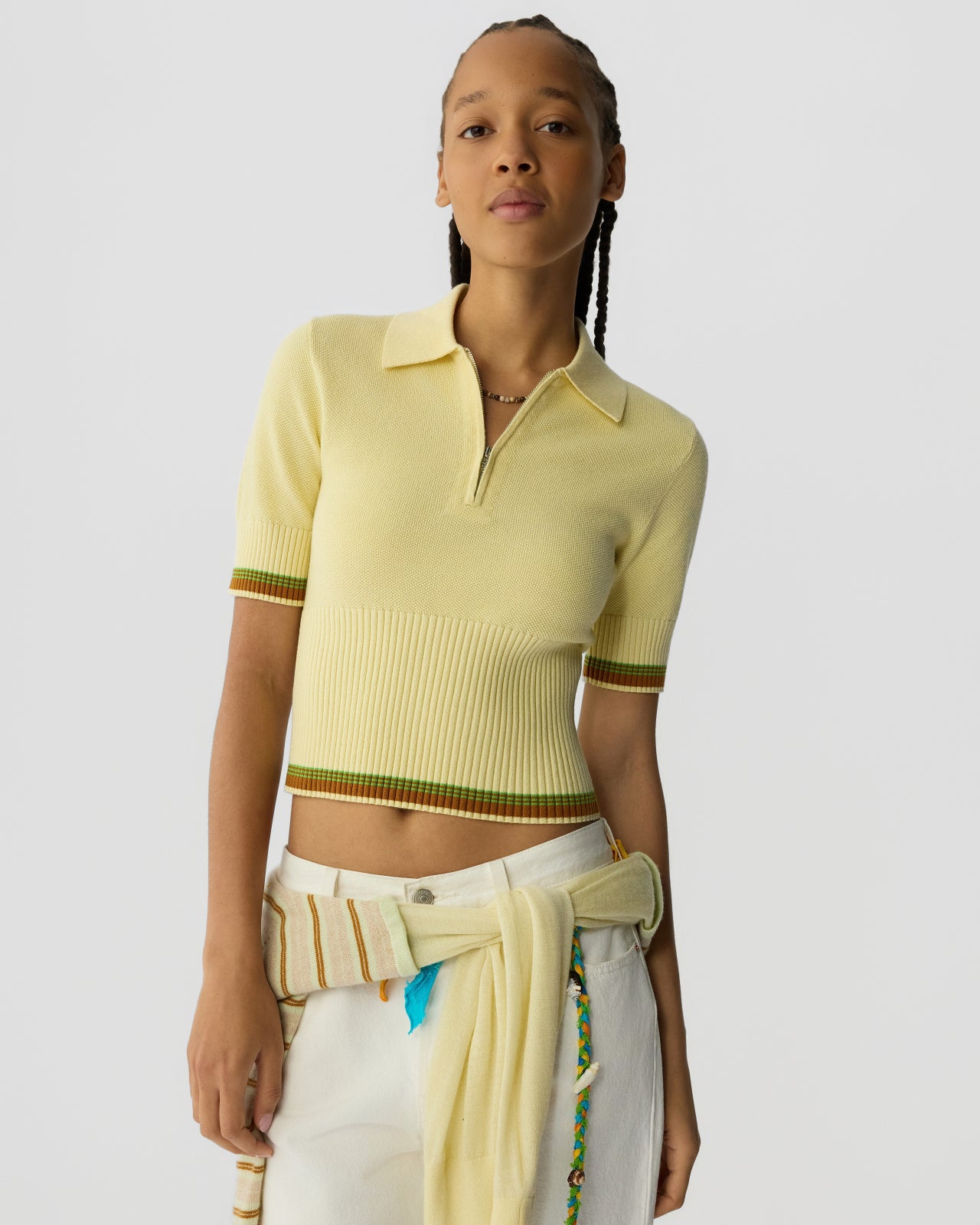
The Marcella Polo serves as a perfect case study for this blend. A polo shirt, by its nature, requires a certain amount of structure to maintain the shape of its collar and placket. Using a cashmere-cotton blend allows Guest in Residence to offer the soft touch of cashmere while ensuring the garment holds its classic silhouette. It becomes a piece that is comfortable enough for lounging but structured enough for a smart-casual setting, demonstrating a perfect balance between luxury and practicality.
Deep Dive 2: The Cashmere-Linen Blend – The Ultimate Summer Luxury
Perhaps the most technically interesting blend is cashmere-linen. It challenges the traditional perception of cashmere as a cold-weather exclusive fiber and re-engineers it for warmth and sunshine.
Technical Analysis:
- Linen Properties: Linen, derived from the flax plant, is one of the strongest natural fibers. It is renowned for its exceptional coolness and high moisture absorbency. The hollow structure of linen fibers allows air to circulate freely, and it can absorb up to 20% of its weight in moisture before feeling wet. It also has a unique, slightly crisp texture.
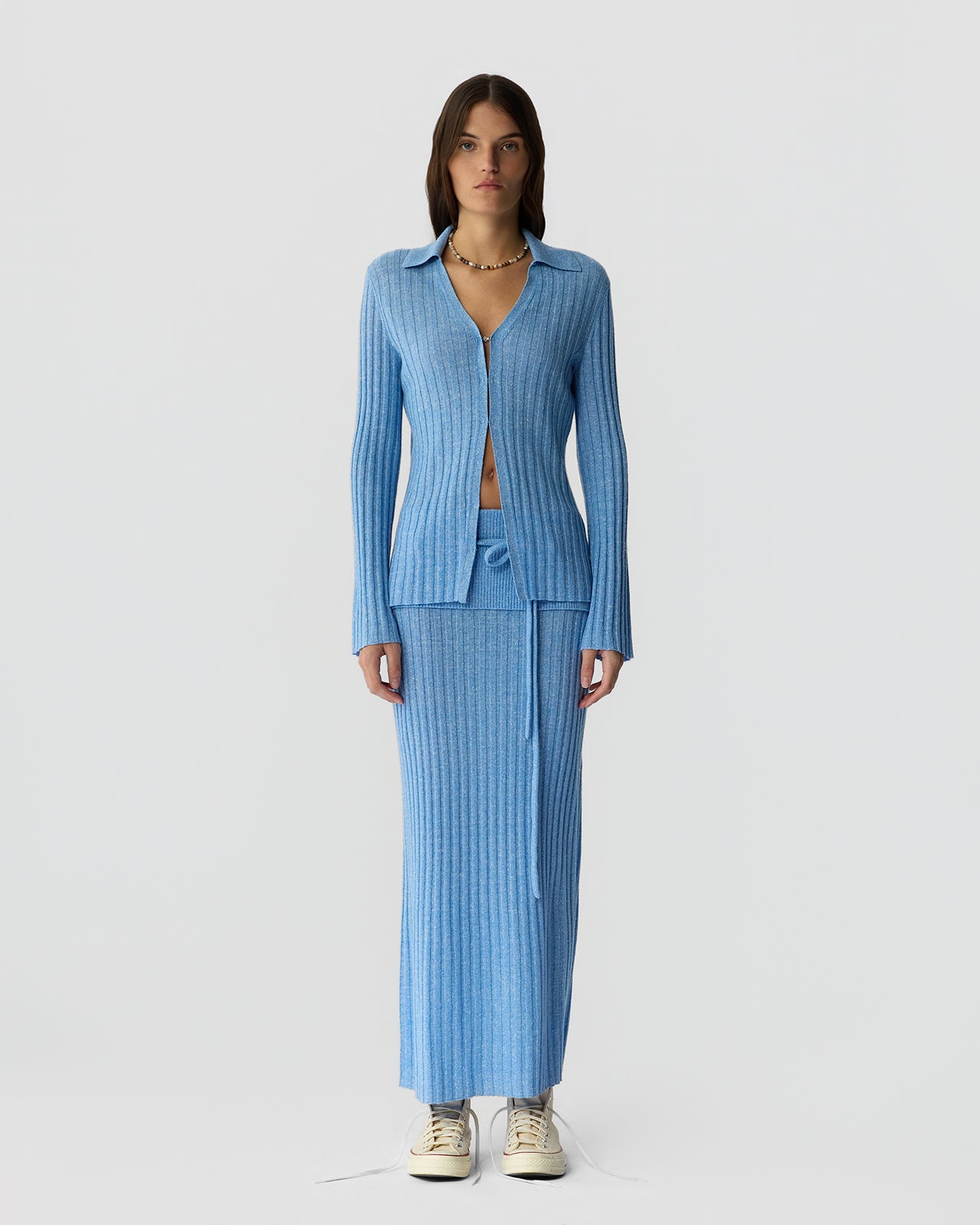
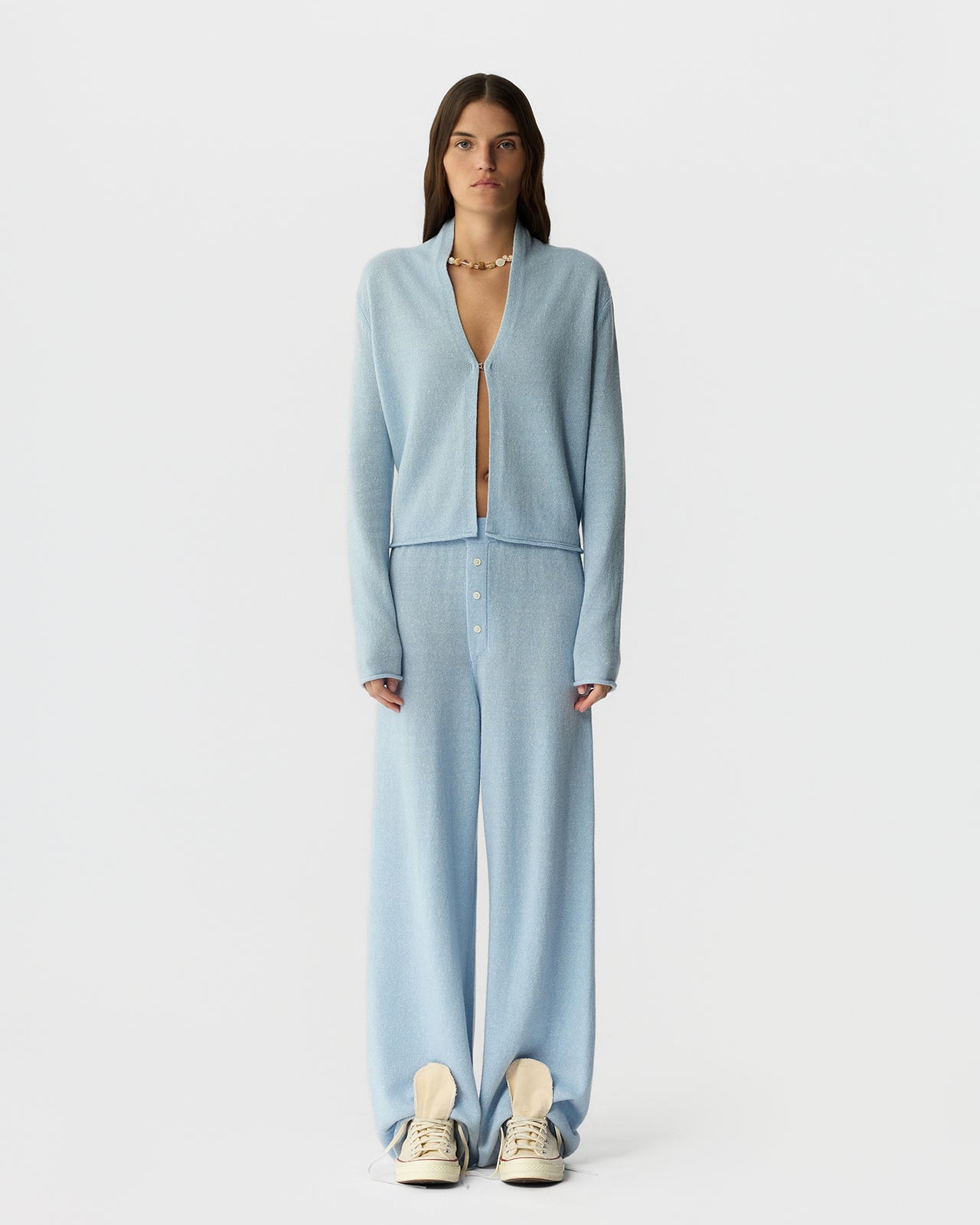
- The Synergistic Effect: Blending cashmere with linen creates a fabric with a fascinating duality. The cashmere lends its signature softness and a touch of warmth for cool summer evenings, while the linen provides crispness, breathability, and superior moisture-wicking capabilities. This makes the garment feel cool and dry against the skin even in humid conditions. The resulting fabric has a beautiful, slightly irregular texture and a lightweight feel that is ideal for spring and summer.
The Breezy Cardigan and Stealth Cardigan from the new collection are exemplary showcases of this blend. They are designed as lightweight layering pieces that offer a hint of luxury without adding bulk or excessive heat. This blend allows the wearer to enjoy the comfort of cashmere year-round, transforming it from a seasonal specialty into a versatile, all-climate staple.
Comparative Analysis: Choosing the Right Blend
To fully appreciate the brand’s material strategy, it’s helpful to compare these fabrics directly. Each one is engineered for a specific performance outcome.
Pros and Cons of Guest in Residence Fabric Blends
| Fabric Type | Pros | Cons |
|---|---|---|
| 100% Cashmere (e.g., Port Polo) | Maximum softness and luxurious feel. Highest warmth-to-weight ratio. Excellent insulation for cold weather. |
More delicate and requires careful maintenance. Can be too warm for mild climates. Most susceptible to pilling if not cared for properly. |
| Cashmere-Cotton Blend (e.g., Marcella Polo) | Improved durability and strength. Better shape retention and structure. More breathable than pure cashmere, ideal for transitional seasons. Generally easier to care for. |
Slightly less soft than 100% cashmere. Less insulating, not ideal for deep winter. |
| Cashmere-Linen Blend (e.g., Breezy Cardigan) | Exceptionally breathable and cool to the touch. Excellent moisture-wicking properties for warm weather. Creates a unique, sophisticated texture. Makes cashmere a viable year-round fiber. |
Linen content can make it prone to wrinkling. Offers minimal insulation, designed specifically for warmer temperatures. |
Conclusion: More Than Fashion, It’s Material Science
Guest in Residence’s approach to knitwear is a testament to the power of thoughtful material engineering. By moving beyond the monolithic use of 100% cashmere, the brand is crafting garments that are not only beautiful but also technically superior for their intended use.
The cashmere-cotton blend offers a durable, practical luxury for everyday life, while the cashmere-linen blend revolutionizes the fiber for year-round wear. This analytical approach to fabric development ensures that each piece in the collection performs optimally, providing the perfect balance of comfort, function, and style. It is this commitment to the science behind the softness that truly sets Guest in Residence apart, making them not just designers, but true innovators in the world of modern knitwear.

Other Articles